Ergonomic Approach to Lifting and Handling: A Guide
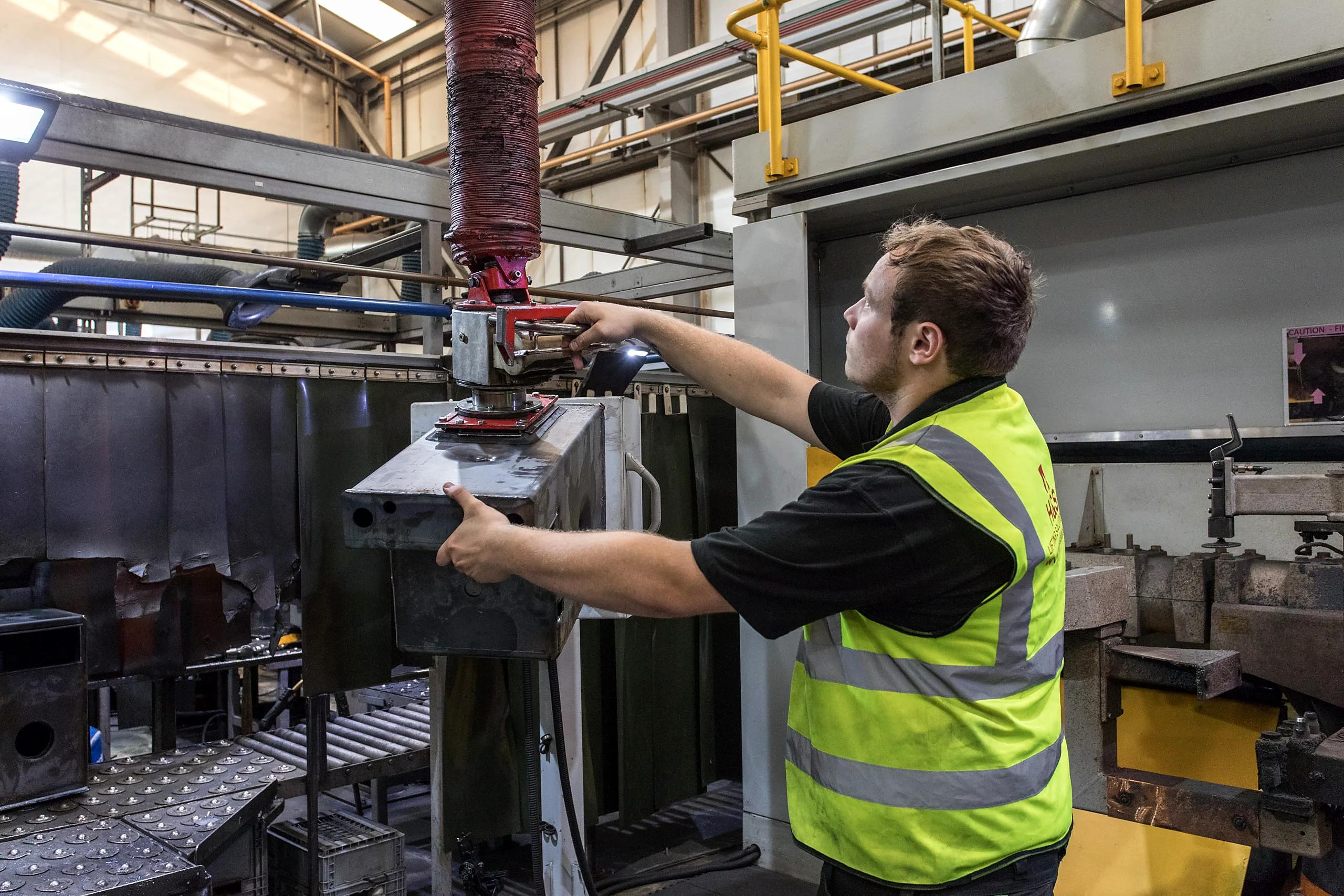
By their very nature, industries like logistics and manufacturing (amongst many others!) require a lot of heavy lifting and handling.
For workers – particularly if this is something that they need to do day in, day out – lifting these items must be approached in a safe way. Otherwise, improper lifting can result in numerous types of injuries, and risk categories.
To help you implement strong work and safety protocols in your workplace, we’ve used this article to outline best practices for lifting items safely.
Common injuries caused by improper lifting
The most common injuries that can be sustained as a result of improper lifting include:
- Back injuries
- Herniated discs
- Muscle strains (in the arms, shoulders or legs)
- Joint injuries (in the knees or wrists)
- Repetitive strain injuries
- Slips or falls
- Long term, chronic pain (often in the lower back, for example)
The dos and don’ts for safe lifting
Best practices for safe workplace lifting
- Train your staff on best practices
- Ensure safe body mechanics are used (e.g. bending at the knees, rather than the waist)
- Keep the area free of obstructions or hazards
- Invest in mechanical lifting equipment (more on this below)
- Conduct regular risk assessments (with these being updated on a regular, routine basis)
- Implement a workplace culture where your teams feel comfortable refusing to lift an object, if they deem it unsafe
- Monitor your teams, and keep tabs on overexertion, fatigue and excessive workloads
- Regularly inspect and service any equipment on your site
- Establish safe lifting zones and an optimised site layout, with fixed areas for lifting to take place
- Implement a clear emergency response procedure, should a lifting-related accident occur
The don’ts of workplace lifting
- Underestimate the value of training (or training refreshers)
- Overload your team, or neglect signs of fatigue
- Fail to clean and organise your site
- Allow untrained members of your team to use lifting equipment
- Require your team to manually lift objects that are excessively heavy, or otherwise dangerous to handle (instead, you should use vacuum lifting equipment for these processes)
- Fail to give your team opportunities to provide feedback
- Fail to document your risks, risk management procedures, or other key documentation
In manufacturing and warehouse contexts, teams can have to lift a wide variety of different objects, including sacks, barrels, doors, cartons, pallets and more.
As a site manager, you need to remember that not all lifting tasks are the same. Each task should be approached – and its risks considered – on a case-by-case basis.
By investing in modern vacuum lifting techniques and equipment, you can maximise health and safety standards across your site.
These innovative, dependable solutions can not only dramatically reduce injuries, but they can also help you to increase compliance and boost productivity, too.
Furthermore, vacuum lifting solutions are extremely versatile. They can be used to lift objects of all weights, shapes and sizes, and are also a great way to implement precision handling, for more delicate items.
To find out more about the benefits of using vacuum lifting solutions, or to receive a free no-obligation quotation from the UK’s leading manufacturer of industrial vacuum lifting equipment, the H&S lifting team is on hand to help.
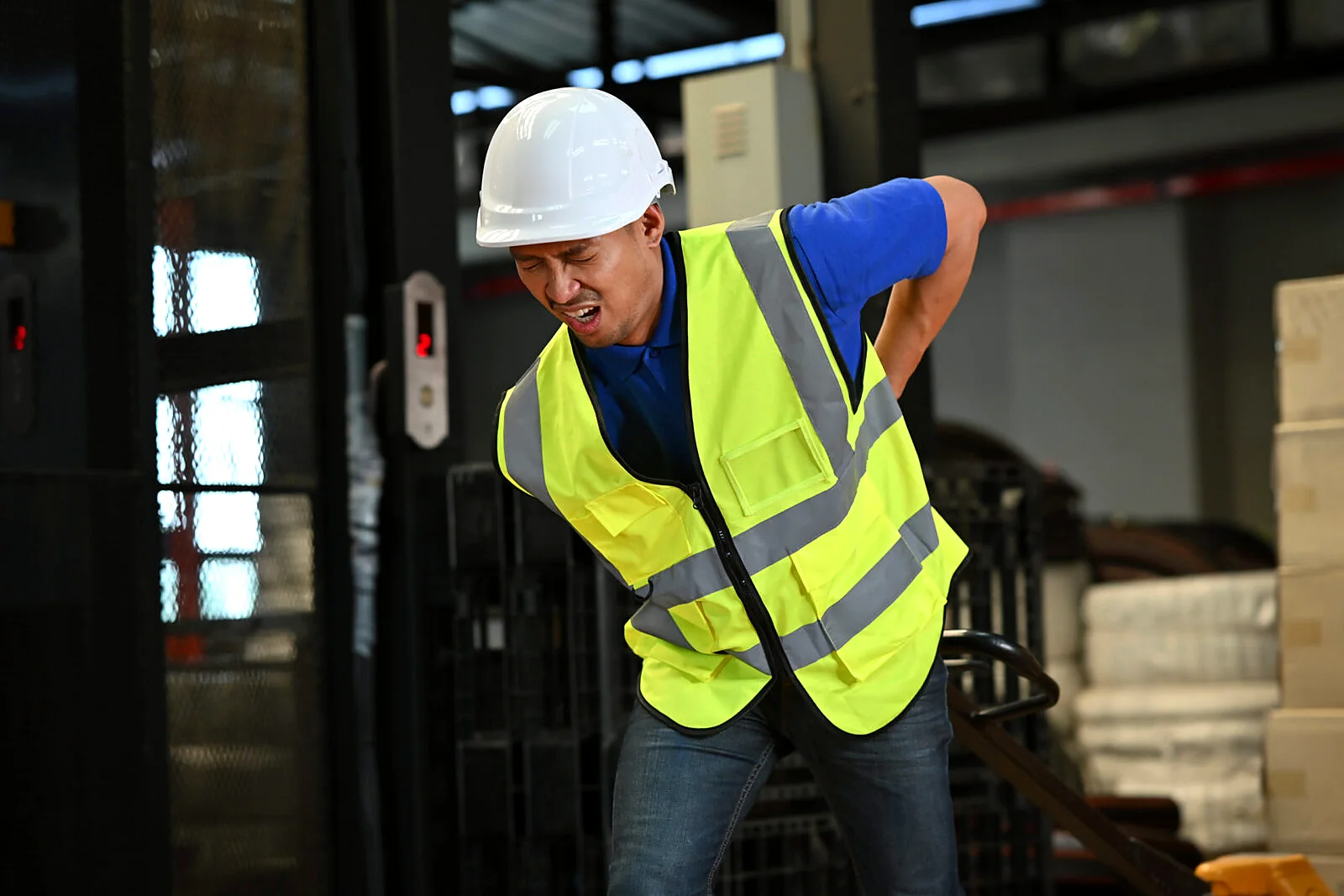
Most Common Causes of Lifting Injuries at Work
For many jobs, regular lifting, or lifting heavy or awkward objects is a routine task. When this is a regular requirement, or if an individual attempts to lift these items […]

What is the Maximum Noise level at Work?
In the UK, it is the legal responsibility of an employer to manage noise levels at work, and keep these noise levels within safe limits. This is a key part […]