
Vacuum Lifting Equipment Buyers Guide
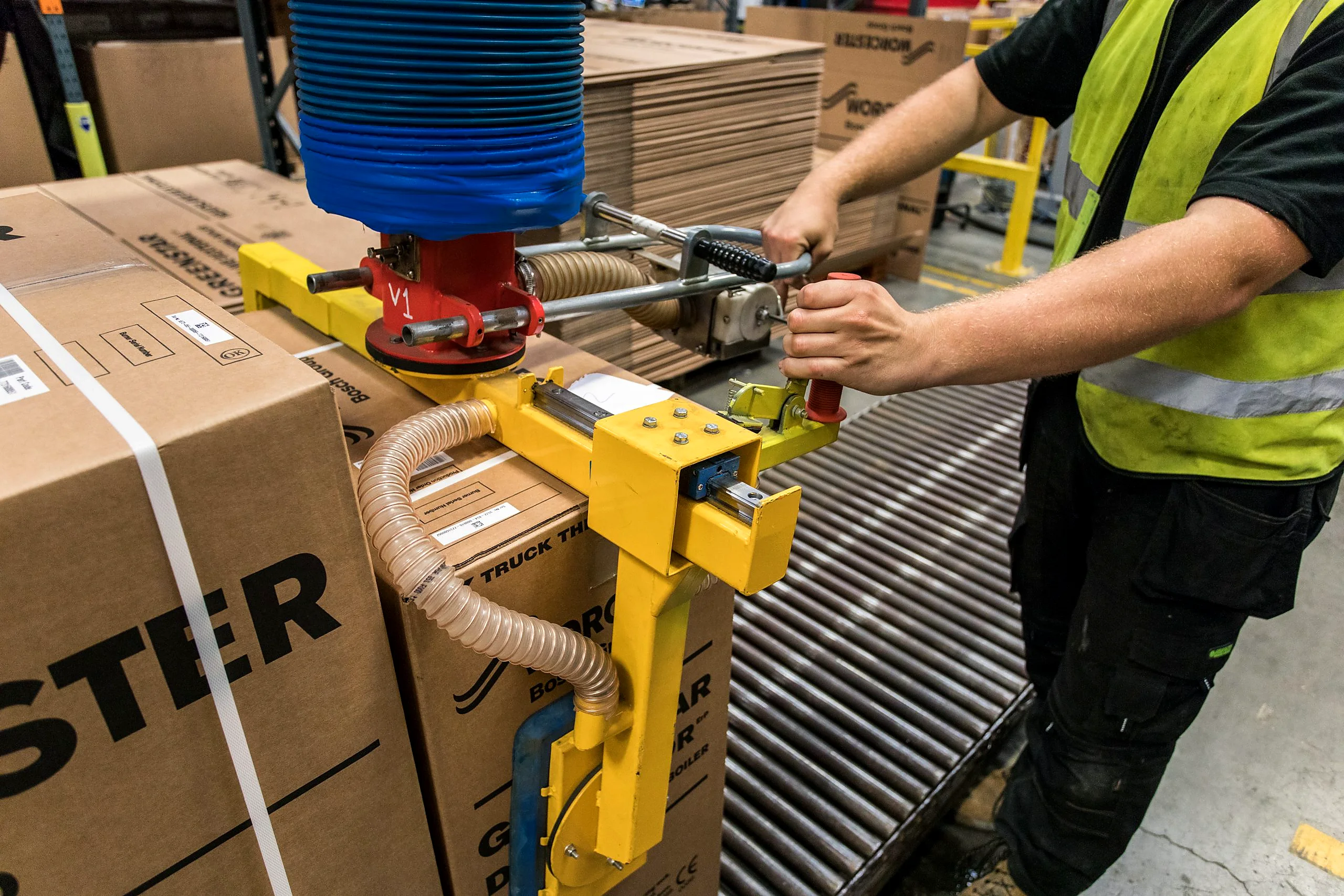
At H&S Lifting, we offer a wide variety of vacuum lifting equipment in our range. These include solutions to suit all industries, business sizes, use cases, budgets, and so on.
In order to maximise your investment, we highly recommend that you spend some time looking through the types of vacuum lifting equipment available, and choosing a solution that provides the best fit for your specific operations.
To help you identify the best type of vacuum lifting equipment to purchase, our experts have provided their complete guide for what to consider when buying new vacuum lifting equipment.
Key considerations
Specialist suppliers of vacuum lifting equipment, like H&S Lifting, can provide made-to-measure lifting equipment. As such, to ensure you are successfully getting the maximum return on your investment, you need to determine your key requirements for the equipment.
The main points to consider are:
- The equipment’s weight and height
- The equipment’s manoeuvrability and portability
- How the lifter is designed (for example, whether it is floor-mounted, ceiling-mounted or wall-mounted)
- The power source
- The suction cup attachment (and whether the lifters can be fitted with interchangeable or customisable cups)
- The maintenance requirements
- The level of noise that it emits
- The cost of the equipment
What do you need to lift?
Different vacuum lifters are each designed to lift objects of different shapes, sizes and weights. So, your lifting needs will be a key consideration for determining which vacuum lifter you need.
Firstly, you will need to consider your application and the operation that you will use the vacuum lifter to support. This includes the item(s) that you intend to lift, how high you need the item to be lifted, whether you need to move them, and why you need to lift them (for example, if you’re lifting a door to paint, or raising then lowering a product into a box).
Then, the equipment will need to have a lifting capacity that can accommodate the weight of the objects. You will need to ensure that the equipment’s lifting capacity can accommodate the weight of the heaviest object that you intend to lift.
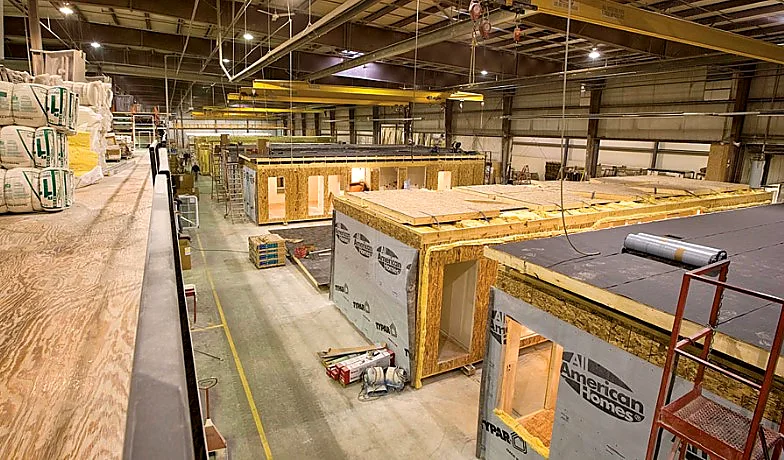
At H&S Lifting, our range of vacuum lifting equipment can cater to a huge variety of applications and industries. Once you have determined these points, our team of lifting specialists will be able to advise you, and design the best-fit solution for your use case.
What materials are your products made from?
Then, you will need to consider the type of load that you will be lifting. Vacuum lifters can be built for lifting specific products, so it’s important that you choose a model that suits this intended use case.
Firstly, your supplier will need to know the type of material that your product is made from. This will allow them to determine the most effective vacuum lifting head for your equipment.
For example, if you have a product that is made from a more fragile material, then the vacuum lifter will need to handle the item with more care, to limit the risk of damage.

Similarly, you will also need to consider the type of surface that your product has. This is because, in some cases, a vacuum lifter may not be the most effective solution for your operations.
If your product has a surface that is textured, waved or porous, then you might find that a vacuum lifter is not able to form the necessary seal with the item.
How many staff will be using the equipment?
When you introduce the vacuum lifting equipment to your operations, you will need to determine how many people will be using it.
To ensure that the equipment is used safely, accurately and in a way that minimises the risk of damage (to either your products or the equipment itself), you need to ensure that all operators have been trained to use the equipment. Furthermore, equipment usage should be strictly restricted to personnel with the required training.
At H&S Lifting Solutions, after the vacuum lifting equipment has been installed, we provide staff with comprehensive training on best practice usage. That way, you can ensure that it is being used as safely and efficiently as possible.
What about aftercare and maintenance services?
Finally, aftercare and maintenance are key to ensuring that your equipment fulfils its predicted lifespan.
When you look for a supplier, ensure that they offer comprehensive aftercare and maintenance services. We also recommend reading customer reviews, so that you can choose a supplier that is known for their high levels of customer support.
At H&S Lifting Solutions, we specialise in offering an end-to-end vacuum lifting solution. This goes from the design and manufacture of your bespoke vacuum lifting equipment, right through to the staff training, and ongoing, reliable aftercare and maintenance services.
So, if you would like to find out more about the benefits of vacuum lifting equipment, or to receive our experts’ guidance about the best solution for your specific operations, don’t hesitate to get in touch.
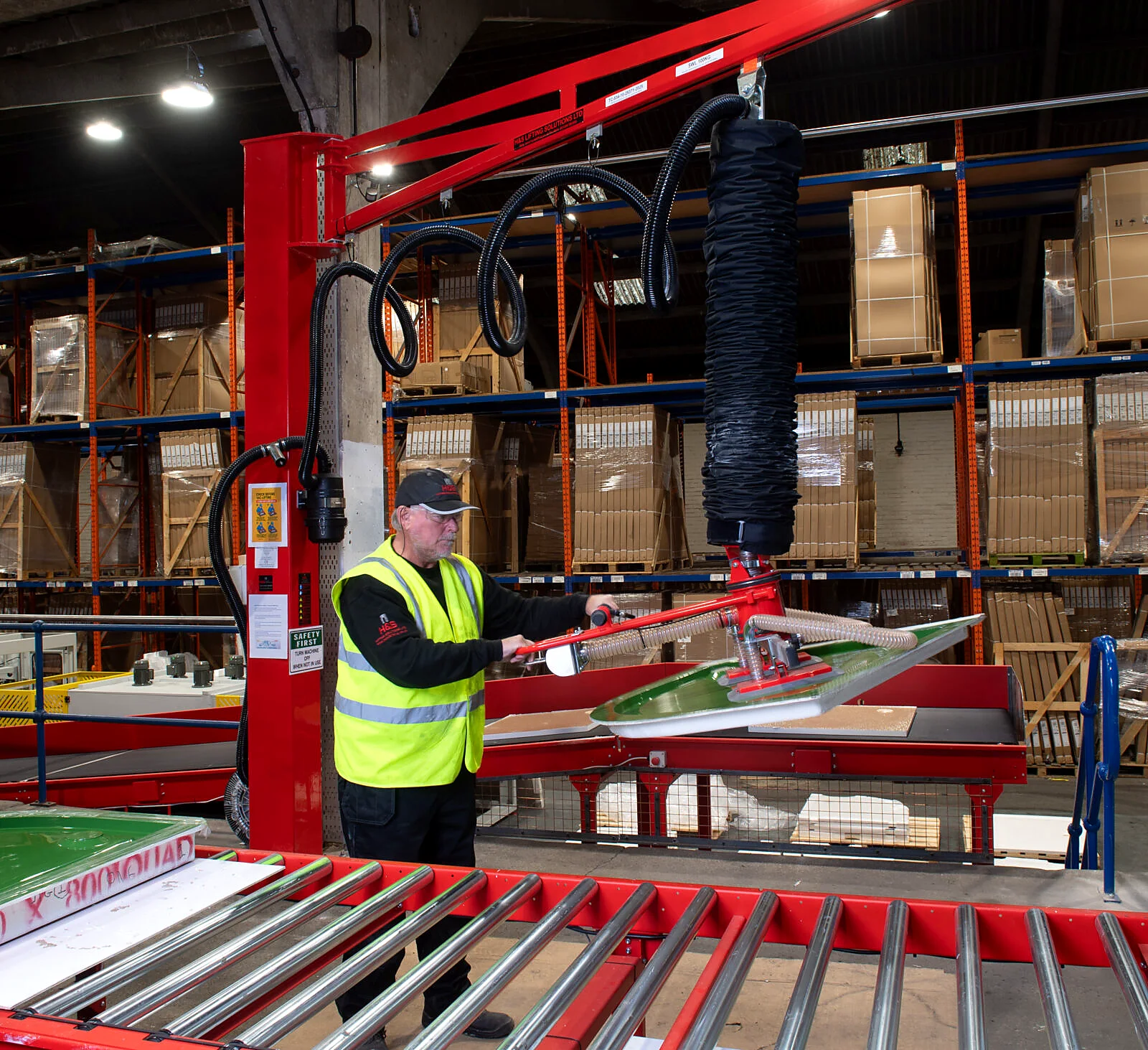
Swing Jib, Overhead Crane or Vacuum Lifter? How to Choose the Right Lifting Solution for Your Workspace
When it comes to choosing industrial lifting equipment, it isn’t simply about finding a system that’s capable of lifting the required weights. Every workplace is different, with unique requirements and […]
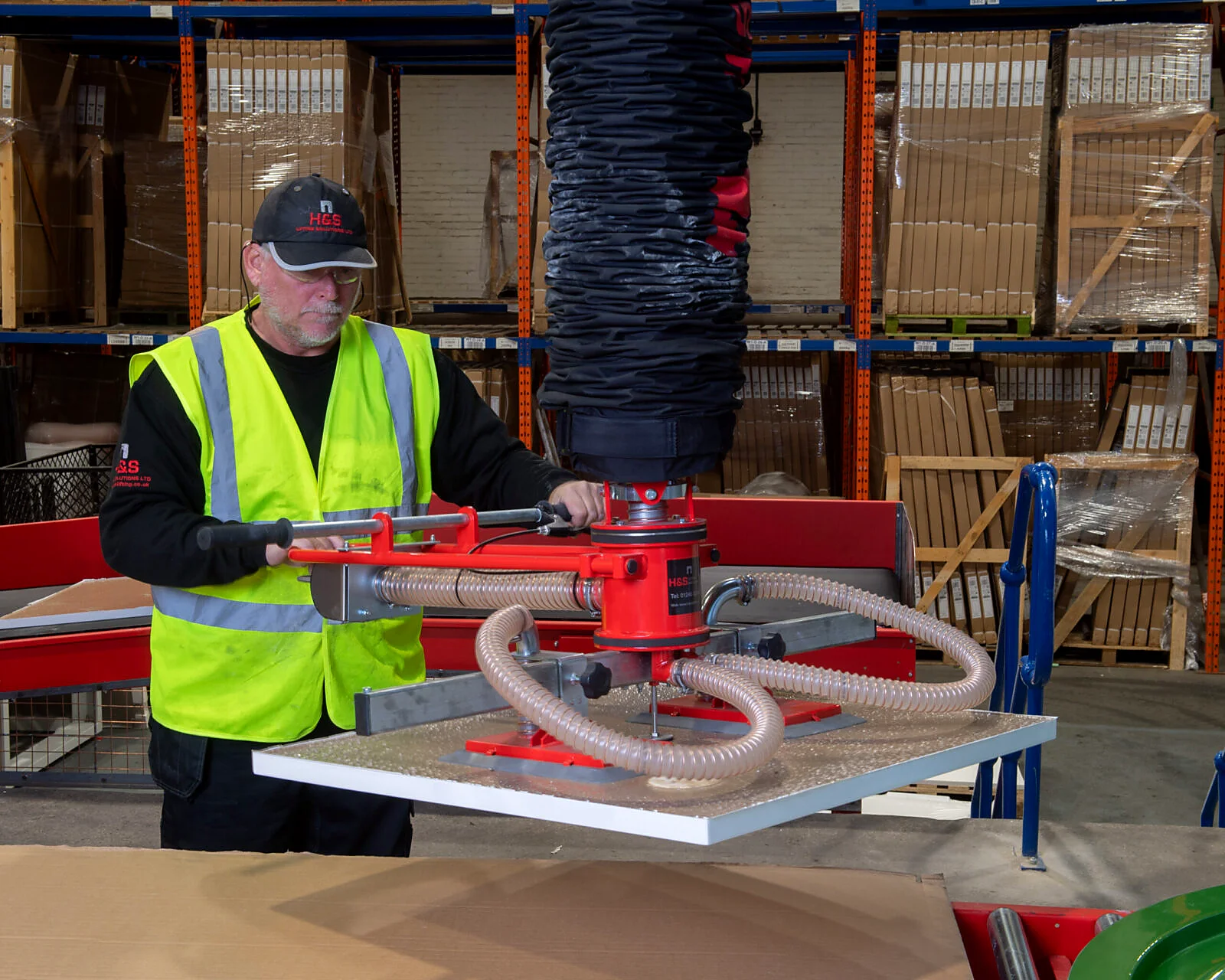
Quelle est la différence entre un pont élévateur hydraulique et un pont élévateur à dépression ?
In industrial, manufacturing and commercial contexts, lifting equipment is one of the most effective ways to reduce the risk of workplace injury. These specialist solutions are designed to completely minimise […]

Can I use a Vacuum Lifter in a tight space?
Vacuum lifting solutions are highly versatile, dependable solutions, which can be used to support businesses in any industry. They are also compatible with sites of all shapes and sizes – […]